
When Captain Chris Tolliver speaks about hunting preparation, hunters should listen. As one of America’s Top Hunting Guides and the outfitter behind Adak Island’s premier all-inclusive combo hunt, Chris has watched countless hunters arrive in Alaska—some ready, some not.
We asked him a simple question: what do hunters need to know about their firearms before flying north?
His answers are straightforward, hard-earned, and worth every minute of attention before you book your next Alaska hunt.
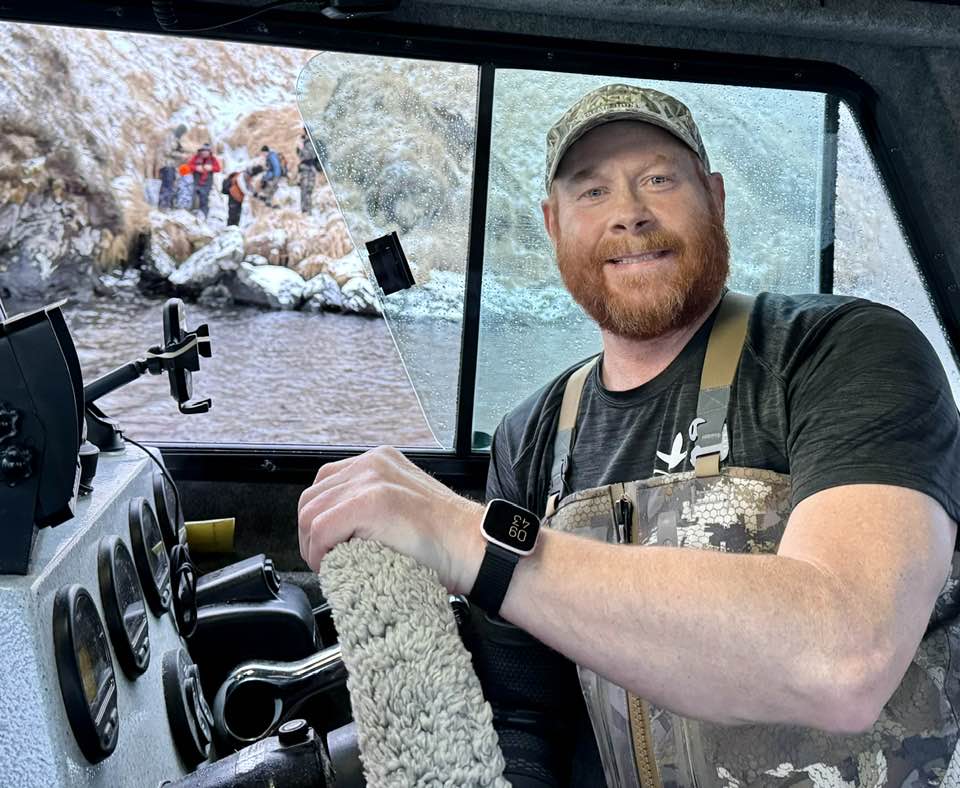
The Most Common Mistake: Cheap Gun Cases
If there’s one thing Chris sees over and over, it’s hunters showing up with gun cases that simply don’t survive the trip.
“Probably the most common mistake I see is people traveling to my Lodge with cheap low quality gun cases. If you are flying from the lower 48 to Alaska, get a high-quality gun case. Those lightweight flimsy ones will not hold up to what the airlines subject them to.”
A budget case is a false economy. Airline baggage handling is rough on any luggage, but rifles are uniquely vulnerable-a hard knock at the wrong angle can shift a scope, dent a stock, or worse. The cost of a quality hard-sided case is a small fraction of what you’ve already spent on the rifle, the optic, and the hunt itself. Don’t cut corners here.
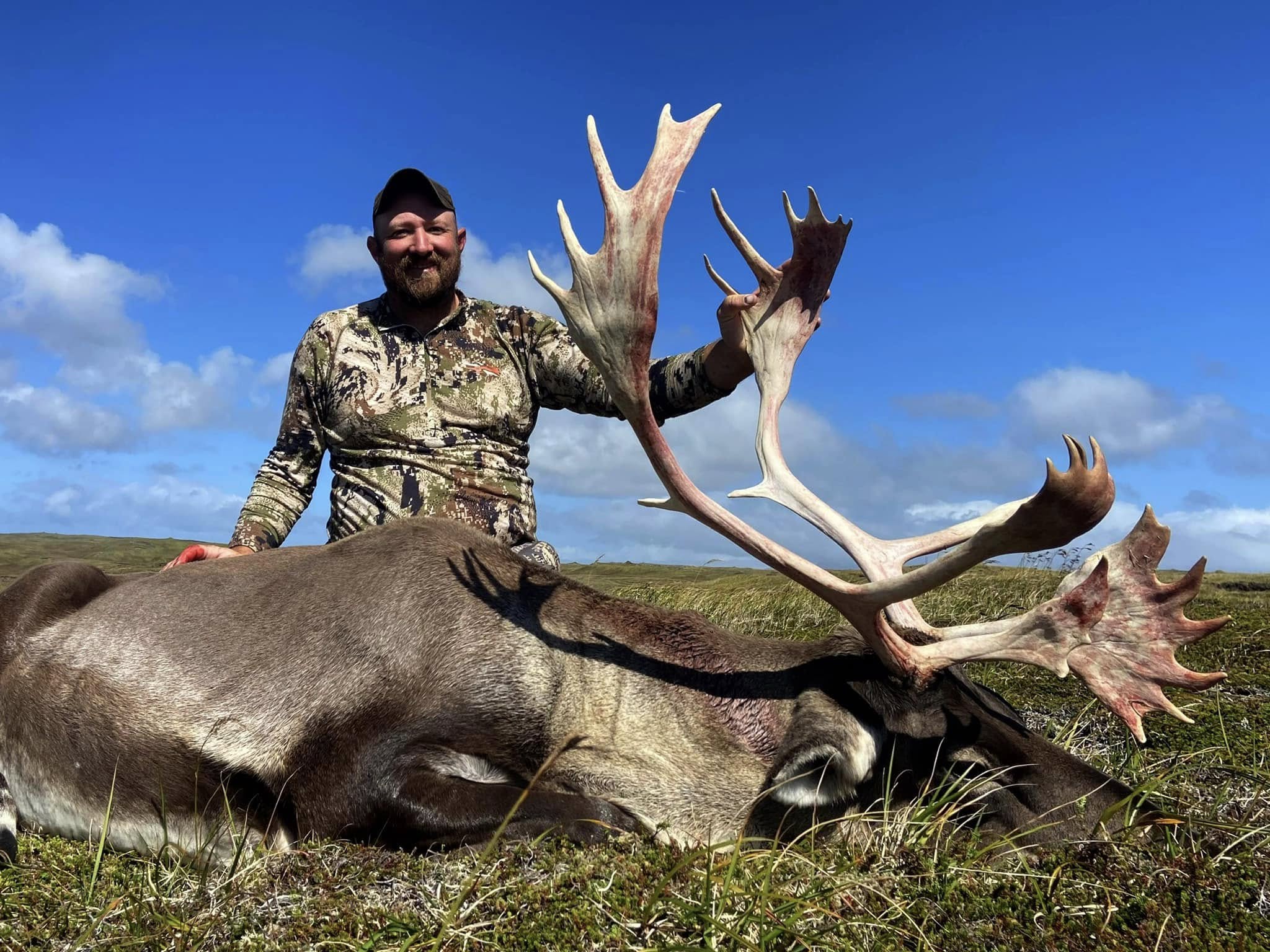
Caliber Matters Less Than Familiarity
One of Chris’s most important points is something hunters often get backwards: they obsess over caliber selection while neglecting the fundamental skill of knowing their rifle.
“The caliber you bring is less important than being very familiar with the rifle that you are bringing on your big game hunt.”
His prescription is direct: get to the range and shoot at least a box of shells through your rifle immediately before your hunt. And don’t just shoot at one distance—shoot at multiple ranges so you know exactly where your round will impact at the distances you might encounter in the field.
The exception, Chris notes, is when hunting Alaska’s larger and more dangerous game.
“When hunting in Alaska, where you are likely to run into a bear or hunting large animals such as a moose, then you will want to have a larger caliber rifle. The same rule applies, though – you need to shoot it enough to be comfortable and confident with it.”
The point isn’t that bigger is automatically better. The point is that whatever rifle you bring, you need to know it cold.
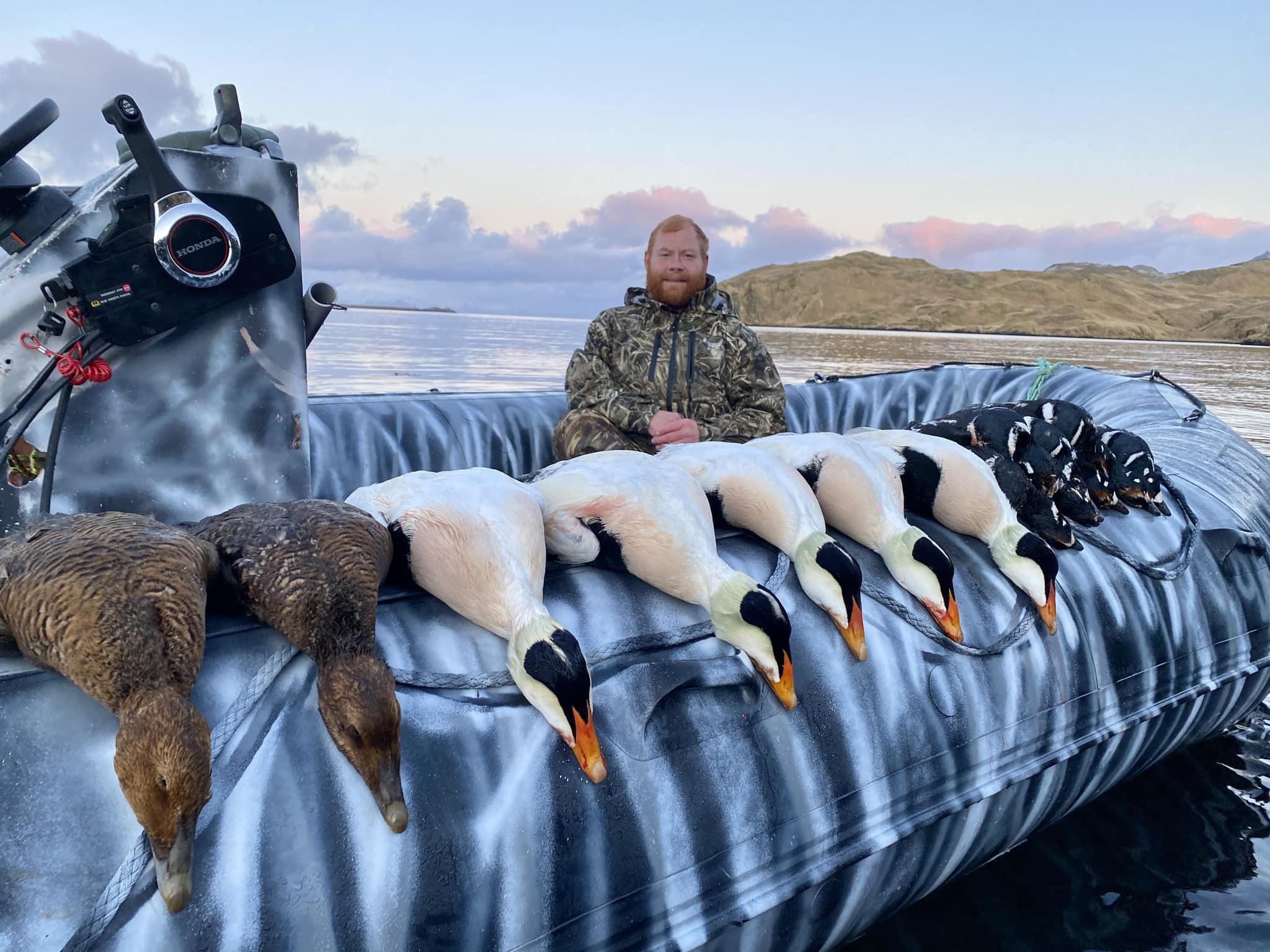
Always Recheck Zero After Travel
This is non-negotiable.
“I absolutely recommend hunters recheck zero with their rifles after flying with them, and any other time that their firearms were outside of their possession. Especially if you know or even suspect that they were banged around.”
Even with a quality case, even with careful handling, a rifle that’s been on a commercial flight has been jostled, dropped, stacked, and re-stacked. A scope that was dialed in at home may not be dialed in by the time it reaches Adak. The first morning of your hunt is the wrong time to find out.
Most serious outfitters – Chris included – will offer or require a range check before the hunt begins. Take advantage of it. The peace of mind alone is worth the time, and a confirmed zero is the difference between a clean shot and a wounded animal.
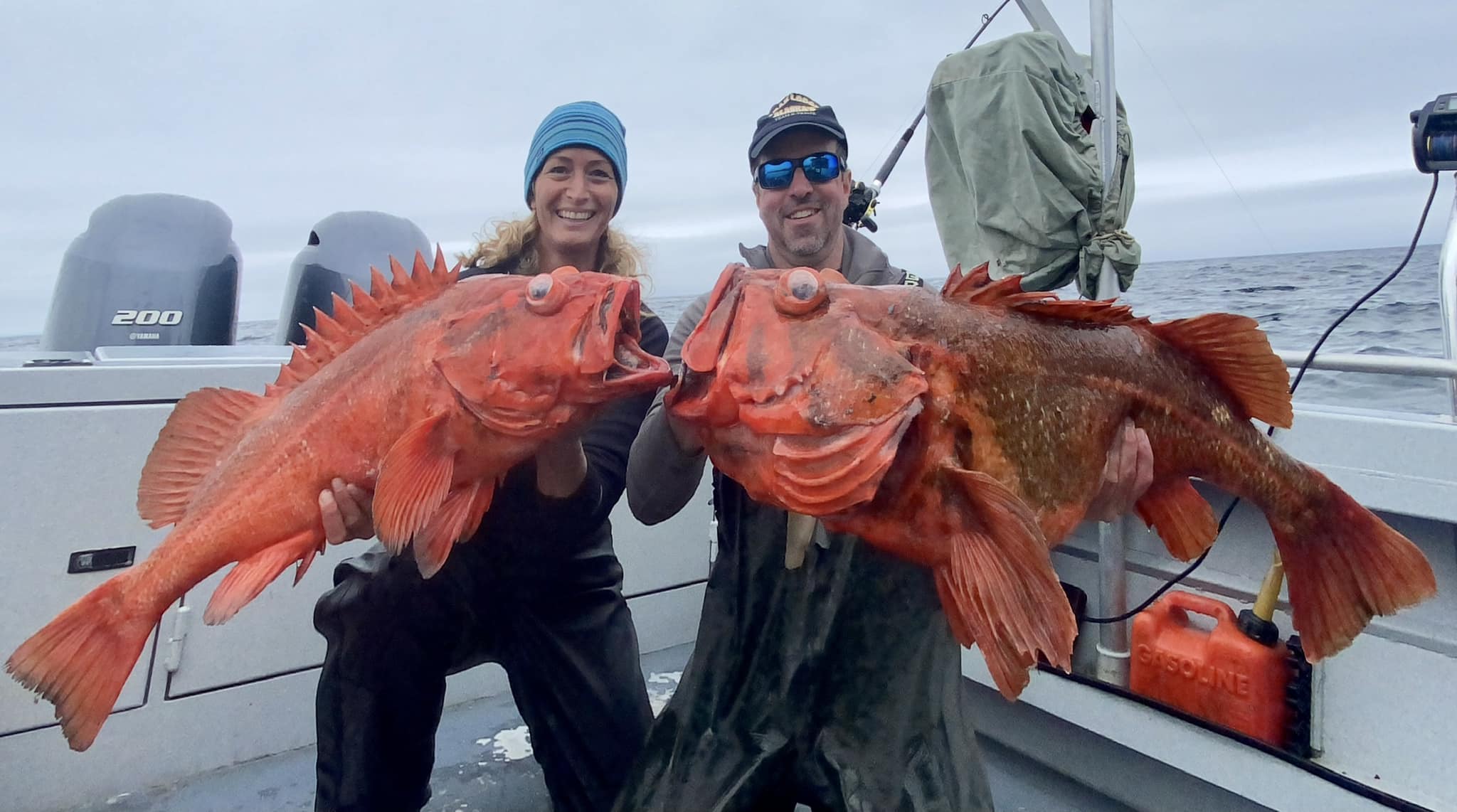
Don’t Forget the Cleaning Kit
One detail Chris specifically wanted to flag: maintenance gear.
“They need to bring a gun cleaning kit with them, including gun oil, especially if they are going to be in a wet or salty environment – which almost all of Alaska falls into!”
Adak Island sits in the middle of the Bering Sea. Salt spray, rain, snow, and constant moisture are part of daily life on the hunt. A rifle that doesn’t get cleaned and oiled will start showing problems fast – rust on metal, sluggish bolt action, compromised reliability. None of that has to happen if you bring the right kit and use it.
This is one of those things that sounds basic but gets forgotten by hunters focused on tags, ammo, and travel logistics. Pack the cleaning kit. Use it nightly.
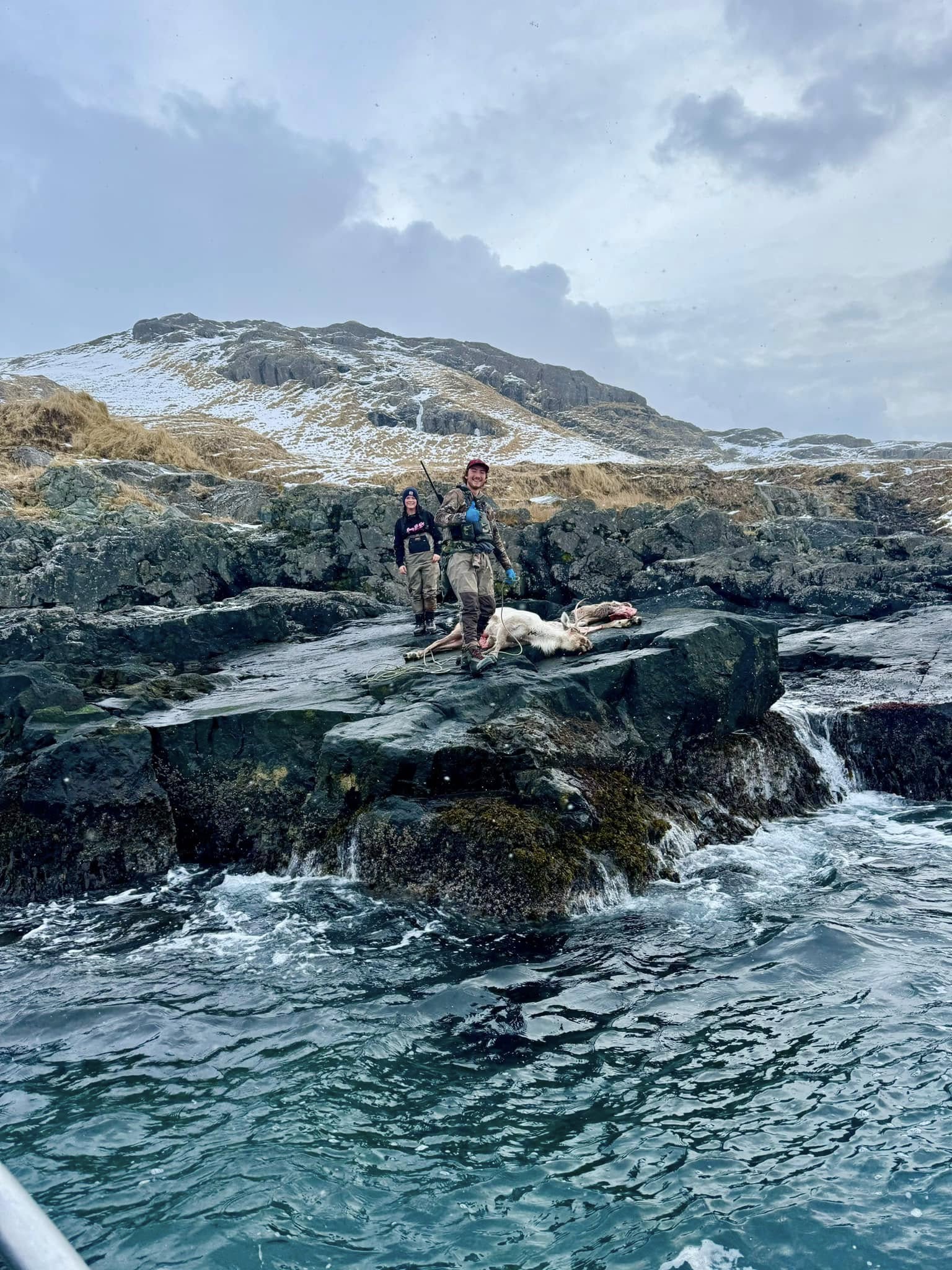
What It All Comes Down To
Chris’s advice can be summarized in a single sentence: know your rifle, protect it in transit, verify it after travel, and maintain it in the field.
“The most important thing is they need to know their rifle, know where the round will impact at different distances, and shoot it enough to be comfortable and confident with it.”
That confidence is what separates a successful Alaska hunt from a frustrating one. Captain Chris has seen both, and his advice comes from years of watching what works and what doesn’t.
Planning a hunt with Captain Chris? His 7-day all-inclusive Adak Island combo hunt features DIY caribou, fully guided sea duck hunting, and world-class Bering Sea fishing—all for $5,999 per hunter. View the hunt on Venku and book your dates before the calendar fills up.