
For many hunters, success isn’t measured by how easy a hunt is – it’s measured by how hard it makes you work. The most rewarding hunts in the U.S. are often the most physically demanding, mentally taxing, and logistically complex. These are the hunts that test endurance, preparation, and grit long before an animal ever comes into range.
From steep mountain terrain to unforgiving weather and remote access, here are some of the most rugged and challenging hunts in America – and why they continue to draw serious hunters year after year.
What Makes a Hunt Challenging?
1. Alaska Backcountry Moose & Caribou
4. Mountain Goat Hunts
What Makes a Hunt Challenging?
Before diving into specific hunts, it’s worth defining what makes a hunt truly difficult. Challenging hunts often involve a combination of:
- Extreme terrain or elevation
- Long distances on foot
- Harsh or unpredictable weather
- Limited access or remote locations
- Physically demanding pack-outs
- High mental pressure and low success rates
The following hunts consistently rank among the toughest in the country because they combine many – if not all – of these factors.

1. Alaska Backcountry Moose and Caribou Hunts
Why it’s challenging:
Alaska backcountry hunts are often considered the pinnacle of rugged hunting experiences in the U.S.
- Remote fly-in access
- Swamps, tundra, rivers, and mountains
- Cold, wet conditions
- Massive animals requiring extensive pack-outs
Even experienced hunters are tested by Alaska’s isolation. There are no shortcuts, and mistakes can have serious consequences. Success depends heavily on preparation, physical fitness, and mental toughness.
Best for: Experienced hunters seeking a true wilderness test
👉 Want to build up your experience? Check out our Western Big Game Hunt Prep Guide or Training Plan for Backcountry Hunts.

Credit: Fully Guided Elk Hunt / Colorado
2. High-Altitude Elk Hunts in the Rocky Mountains
Why it’s challenging:
Elk hunting in states like Colorado, Wyoming, Montana, and Idaho is physically demanding, especially in backcountry or DIY scenarios.
- Elevations often exceeding 9,000–11,000 feet
- Steep terrain and long hikes
- Thin air and rapidly changing weather
- Heavy meat pack-outs over miles
Elk hunts punish poor conditioning and reward persistence. Many hunters spend days hiking without seeing animals, making mental resilience just as important as physical endurance.
Best for: Western hunters and backcountry enthusiasts

3. Desert Bighorn Sheep Hunts
Why it’s challenging:
Desert bighorn sheep hunts in Arizona, Nevada, and California are some of the most physically demanding hunts in North America.
- Extremely steep, rocky terrain
- High heat and limited water
- Long glassing sessions followed by aggressive stalks
- Low tag availability and high pressure
Success often comes down to physical capability and patience. These hunts demand exceptional conditioning and discipline.
Best for: Highly conditioned hunters with mountain experience

4. Mountain Goat Hunts in the Pacific Northwest and Alaska
Why it’s challenging:
Mountain goat hunts are often described as some of the most dangerous hunts in the U.S.
- Near-vertical terrain
- Slippery rock faces and cliffs
- Harsh weather conditions
- Complex retrieval and pack-out logistics
This is not a hunt for the unprepared. Even seasoned hunters often hire experienced guides due to the technical difficulty and risk involved.
Best for: Advanced hunters prioritizing safety and experience
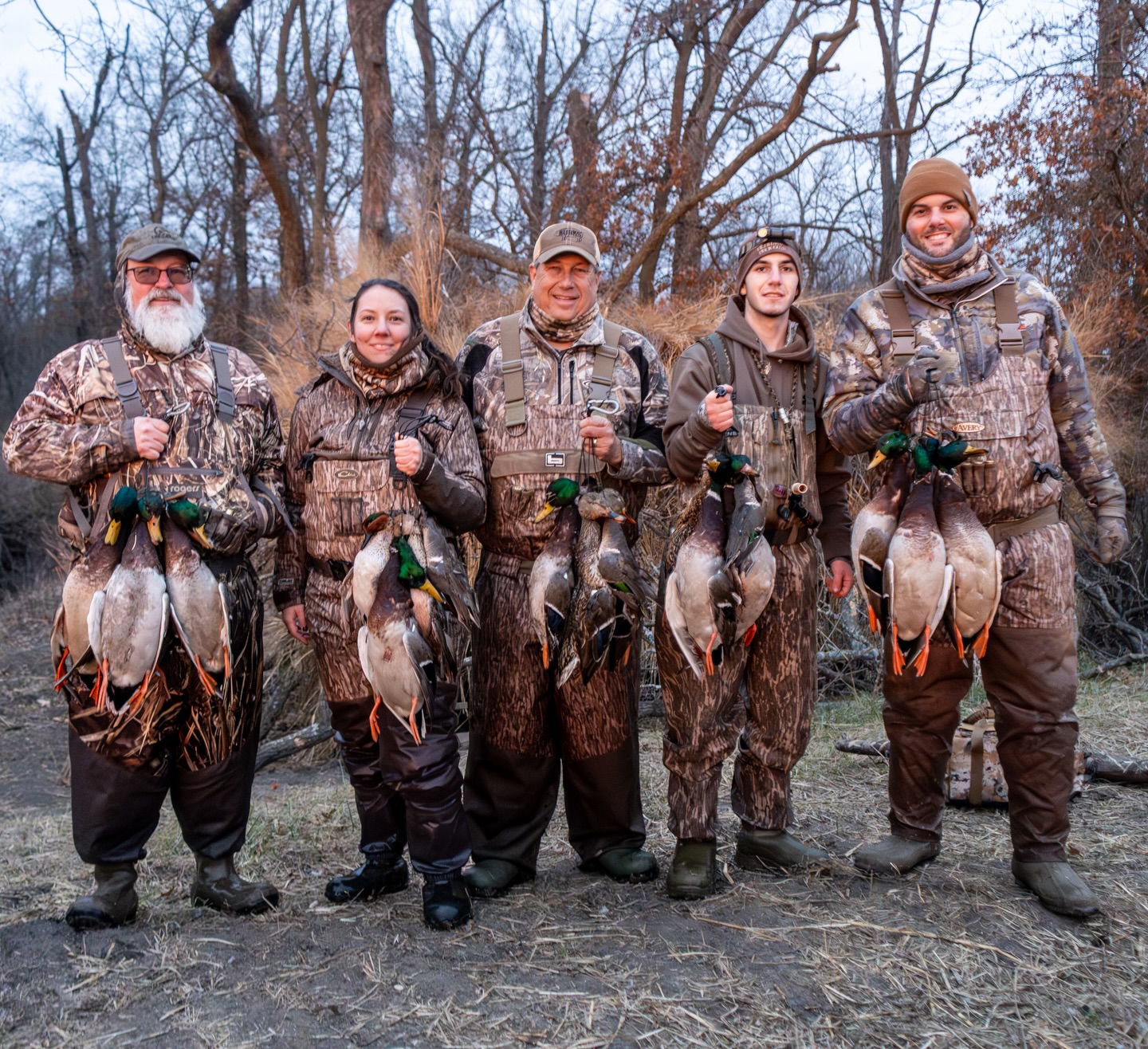
5. Late-Season Plains and Sea Duck Hunts
Why it’s challenging:
While waterfowl hunting may not seem rugged at first glance, late-season hunts can be brutal.
- Freezing temperatures
- Ice-covered water
- Long days in exposed environments
- Rough seas for sea duck hunters
These hunts test a hunter’s ability to endure cold, wet conditions for extended periods. Gear failure or poor preparation can end a hunt quickly.
Best for: Hunters comfortable with cold-weather exposure

6. Appalachian Backcountry Black Bear Hunts
Why it’s challenging:
Black bear hunts in the Appalachian Mountains are deceptively difficult.
- Dense timber and steep ridges
- Long tracking sessions
- Limited visibility
- Physically demanding terrain
Many of these hunts involve extensive hiking and long days without sightings, making patience and persistence critical.
Best for: Hunters who enjoy endurance-based hunts
How to Prepare for a Rugged Hunt
If you’re considering one of these challenging hunts, preparation is everything. Successful hunters typically focus on:
- Physical conditioning: Cardiovascular endurance, leg strength, and pack training
- Mental preparation: Comfort with discomfort and uncertainty
- Gear reliability: Tested equipment suitable for extreme conditions
- Logistics planning: Access, weather windows, and emergency contingencies
Choosing the right outfitter or planning platform can also make a significant difference, especially for hunts with complex logistics or limited access.
Why Hunters Seek Out Challenging Hunts
The appeal of rugged hunts isn’t about trophies alone. It’s about:
- Testing personal limits
- Earning the experience
- Disconnecting from comfort
- Creating memories that last a lifetime
These hunts leave a mark long after the season ends – not because they were easy, but because they weren’t.
The most challenging hunts in the United States demand more than skill with a weapon. They demand preparation, humility, and grit. Whether it’s an Alaskan fly-in hunt, a high-altitude elk pursuit, or a dangerous mountain goat climb, these experiences redefine what it means to hunt.
For those willing to take them on, the reward isn’t just success – it’s the journey itself.
👉 Want to list your hunting trips or guiding services? Learn how to Become a Host on Venku and reach hunters across the country.