
Booking a guided hunt is a big investment. Whether you’re planning a Western elk hunt, a spring turkey trip, or a Southern waterfowl hunt, choosing the right outfitter can make the difference between a stressful experience and a hunt you’ll remember for the rest of your life.
The challenge is that there are hundreds of outfitters across the country, and not all of them offer the same level of professionalism, transparency, or success. Hunters often struggle to know what questions to ask and how to compare different operations.
The good news is that choosing the right outfitter becomes much easier when you know what to look for. By asking a few key questions and paying attention to the details, you can confidently book a guided hunt that fits your goals, experience level, and budget.
Here are the eight most important questions every hunter should ask before booking a guided hunt.
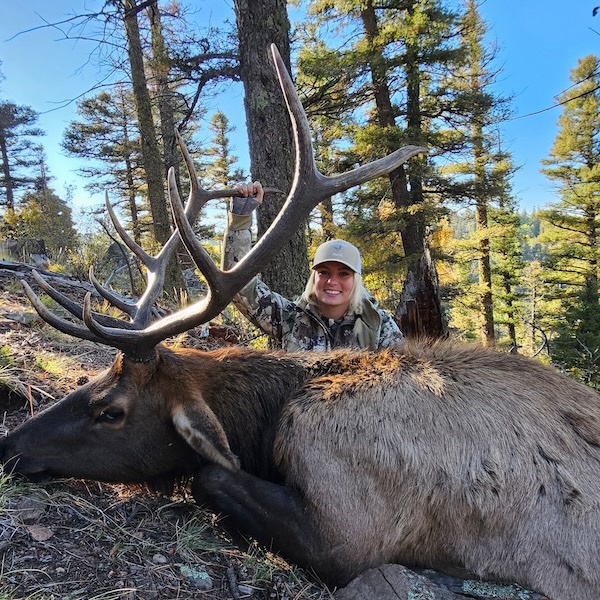
Credit: Elk Hunt / Moffat, Colorado
1. What Is the Average Success Rate?
Success rate is one of the first indicators of a well-run outfitter.
While no ethical outfitter can guarantee a harvest, experienced guides should be able to provide realistic expectations based on past seasons. A strong outfitter will openly share their average success rates and explain what factors influence them, such as weather, hunting pressure, and terrain.
When reviewing success rates, look for honesty and consistency rather than unrealistic promises. Outfitters who guarantee trophies or perfect results should raise caution, while those who explain real-world expectations tend to be more trustworthy.
Understanding success rates helps you set realistic goals and choose an operation that aligns with your expectations.
2. What Is Included in the Hunt Price?
Not all guided hunts include the same services, which is why pricing transparency is critical.
Before booking, make sure you clearly understand what is included in the hunt package.
Ask about:
- Lodging and meals
- Guide services
- Field transportation
- Game processing or caping
- Airport pickup
- Equipment use
- Trophy fees (if applicable)
Some hunts appear cheaper at first but include fewer services, while others may cost more upfront but include everything needed for a smooth experience.
Knowing exactly what you’re paying for helps you compare outfitters fairly and avoid unexpected costs.
3. Are Tags, Licenses, and Permits Included?
Licenses and tags vary by state and species, and misunderstanding this part of the hunt can cause major problems.
A professional outfitter should clearly explain:
- Whether tags are included
- If you must apply for draws
- Over-the-counter license availability
- Application deadlines
- Costs and requirements
Some states require hunters to apply months in advance, while others offer guaranteed tags.
Getting clarity on this ensures you don’t miss deadlines or arrive without the proper paperwork.
4. How Physically Demanding Is the Hunt?
Every guided hunt is different in terms of physical difficulty.
Some hunts involve hiking miles in steep terrain, while others require sitting in blinds or riding in vehicles across private land.
Ask outfitters to describe the physical demands honestly, including:
- Daily hiking distance
- Elevation changes
- Terrain type
- Weather conditions
- Typical daily schedule
This helps ensure the hunt matches your fitness level and expectations.
Choosing a hunt that fits your physical ability leads to a safer and more enjoyable experience.
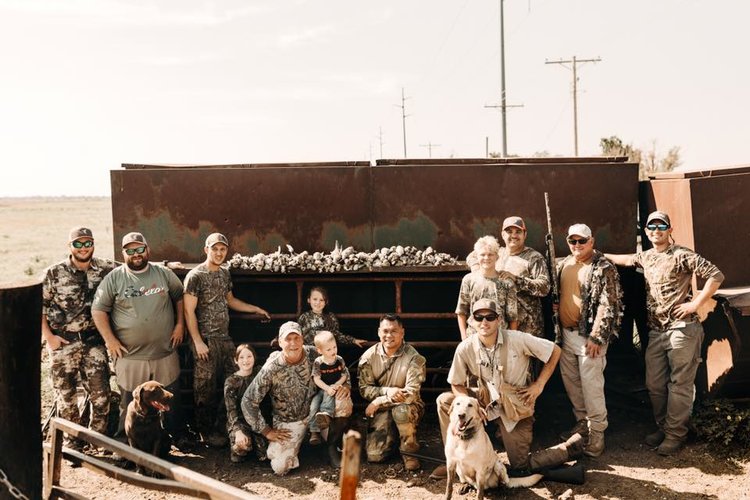
Credit: Dove Hunt / Carrier, Oklahoma
5. What Is the Guide-to-Hunter Ratio?
Guide-to-hunter ratio plays a major role in the quality of a guided hunt.
Common ratios include:
- 1×1 (one guide per hunter)
- 2×1 (one guide for two hunters)
- Group hunts
A 1×1 hunt typically provides more personalized attention and higher success opportunities, while 2×1 hunts can be more affordable and social.
Neither option is inherently better, but understanding the ratio helps you decide what kind of experience you want.
More personal attention usually leads to better communication and increased hunting opportunities.
6. What Type of Hunting Methods Are Used?
Different outfitters use different hunting methods depending on species and terrain.
Some common methods include:
- Spot and stalk
- Calling
- Stand hunting
- Blind hunting
- Decoy setups
- Baited or feeder-based hunting (where legal)
Understanding the hunting style helps you determine if the experience matches your preferences.
For example, some hunters prefer active spot-and-stalk hunts, while others enjoy relaxed blind hunting setups.
Choosing an outfitter whose methods align with your expectations leads to a more satisfying hunt.
7. What Do Past Hunters Say About the Experience?
Reviews and testimonials provide valuable insight into how an outfitter operates.
Look for feedback that mentions:
- Communication
- Professionalism
- Lodging quality
- Guide experience
- Overall satisfaction
- Honesty and transparency
Consistent positive reviews usually indicate a reliable operation, while repeated complaints about communication or organization may signal potential issues.
Real feedback from past hunters helps you make a more informed decision.
8. How Do I Book and Secure My Dates?
Finally, make sure you understand the booking process.
A professional outfitter should clearly explain:
- Deposit requirements
- Payment schedule
- Cancellation policy
- Available dates
- Booking timeline
Clear booking procedures show that the outfitter runs an organized and professional operation.
This final step ensures there are no surprises and that your hunt is properly secured.
Why Booking Through Venku Makes Choosing Easier
Finding the right outfitter used to require hours of research, phone calls, and uncertainty. Venku simplifies this process by bringing vetted outfitters into one trusted marketplace.
Hunters can:
- Compare outfitters in one place
- Review transparent hunt listings
- Ask questions before booking
- Secure deposits safely
- Read feedback from other hunters
Instead of guessing which outfitter is reliable, Venku helps you make informed decisions with confidence.
This makes choosing the right outfitter faster, safer, and more efficient.
Book Your Hunt with Confidence
Choosing the right hunting outfitter doesn’t have to be complicated. By asking the right questions and focusing on transparency, experience, and professionalism, you can confidently select an outfitter that fits your goals.
The best hunts start with the right guide, the right preparation, and the right booking platform.
Browse All Hunts on Venku and find the outfitter that’s right for your next adventure.
FAQ
Q: How do I know if a hunting outfitter is legitimate?
A: Look for experience, transparent pricing, clear hunt details, verified reviews, and compliance with state regulations. Booking through a vetted marketplace also adds an extra layer of security.
Q: What is the most important factor when choosing a hunting outfitter?
A: Transparency and communication are the most important factors. Outfitters who clearly explain pricing, success rates, and hunt details are typically more reliable.
Q: Should I choose a 1×1 or 2×1 guided hunt?
A: A 1×1 hunt offers more personal attention and higher focus from the guide, while a 2×1 hunt is more affordable and provides a shared experience. The best choice depends on your budget and preferences.
Q: How far in advance should I choose a hunting outfitter?
A: Most hunters select outfitters 3 to 12 months in advance, especially for high-demand species and prime season dates.
Q: Can beginners choose a guided hunting outfitter?
A: Yes. Many outfitters specialize in working with beginners and provide guidance, instruction, and support throughout the hunt. More on booking your first guided hunt here.
Q: Is it better to book directly or through a marketplace?
A: Booking through a trusted marketplace allows hunters to compare outfitters, secure payments, and verify legitimacy more easily than booking blindly online.