
Booking your first guided hunt can feel overwhelming. You’re sending a deposit to someone you may have never met, traveling to unfamiliar terrain, and trusting an outfitter to deliver a safe, successful hunting experience.
The good news is that guided hunts are more accessible and transparent than ever before. With vetted outfitters, clear pricing, and streamlined booking platforms, hunters can now plan trips with confidence and focus on what really matters — getting into the field and making memories.
This step-by-step guide will walk you through exactly how to book your first guided hunt and what to expect along the way.
Step 1: Choose the Species and Location You Want to Hunt
Step 2: Compare Vetted Outfitters
Step 3: Ask the Right Questions Before Booking
Step 4: Secure Your Dates with a Deposit
Step 5: Prepare for Your Hunt
Step 1: Choose the Species and Location You Want to Hunt
The first step in booking a guided hunt is deciding what you want to hunt and where you want to go.
Start by asking yourself a few simple questions:
- Do you want a big game hunt or small game hunt?
- Are you looking for a Western backcountry experience or a Southern lodge-style hunt?
- What time of year works best for your schedule?
- What is your budget?
For example:
- Elk and mule deer hunts are popular in Western states like Colorado and New Mexico
- Turkey hunts are common across the Midwest and South in the spring
- Waterfowl hunts are widely available along major flyways
- Alligator and exotic hunts are popular in Louisiana and Texas
Choosing your species and location helps narrow down outfitter options and ensures you focus on hunts that match your goals and experience level.
Pro Tip: Start with hunts that are beginner-friendly and have high success rates to build confidence on your first trip.
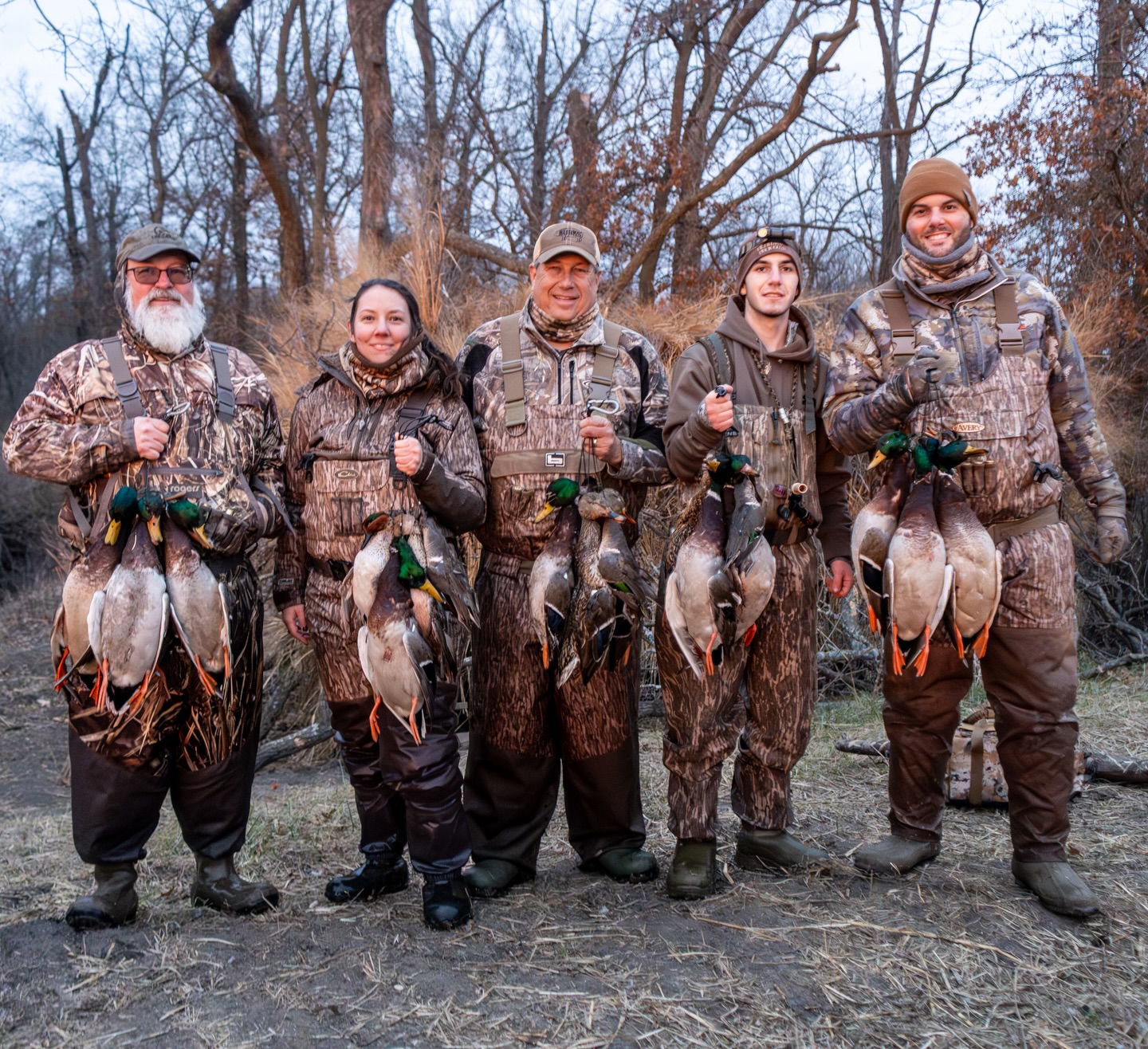
Step 2: Compare Vetted Outfitters
Once you know what you want to hunt, the next step is finding trusted outfitters.
Not all outfitters are the same, and doing a little research upfront can make a huge difference in your experience.
Here’s what to look for:
Experience and Reputation
Look for outfitters with a proven track record, positive reviews, and years of guiding experience.
Clear Hunt Details
A professional outfitter should clearly explain:
- What is included in the hunt
- Lodging and meals
- Guide-to-hunter ratio
- Weapons allowed
- Season dates
- Pricing and deposits
Transparent Communication
Good outfitters respond quickly, answer questions clearly, and provide realistic expectations.
When you use a marketplace like Venku, much of this work is already done for you because outfitters are vetted and listings are standardized, making comparisons easier and safer.
Step 3: Ask the Right Questions Before Booking
Before sending a deposit, it’s important to ask a few key questions to make sure the hunt is the right fit.
Here are the most important ones:
- What is the average success rate?
- What is included in the hunt price?
- Are tags or licenses included?
- What gear should I bring?
- What is the typical shot distance?
- How physically demanding is the hunt?
- How many hunters will be in camp?
- What happens if weather impacts the hunt?
Asking these questions ensures there are no surprises and helps build trust between you and the outfitter.
Most professional outfitters are happy to answer questions and want hunters to feel confident before booking.
Step 4: Secure Your Dates with a Deposit
Once you find the right hunt, the next step is securing your dates.
Most guided hunts require a deposit to reserve your spot, especially for popular seasons like elk rut, spring turkey, or waterfowl migrations.
This deposit typically:
- Locks in your hunt dates
- Reserves your guide and lodging
- Confirms your place in camp
- Protects the outfitter’s schedule
After the deposit is placed, you’ll usually receive:
- Booking confirmation
- Hunt agreement
- Preparation checklist
- Travel details
- Final payment timeline
Booking early is important because many hunts sell out months in advance, especially for high-demand species.
Step 5: Prepare for Your Hunt
After booking, preparation becomes the priority.
This includes:
Licenses and Tags
Make sure you understand what permits or tags are required and when they must be purchased.
Gear and Equipment
Your outfitter will typically provide a packing list, which may include:
- Boots and hunting clothing
- Weapon and ammunition
- Optics
- Personal gear
- Travel essentials
Physical Preparation
Some hunts require hiking, long sits, or early mornings, so preparing physically helps ensure a better experience.
Travel Planning
Coordinate:
- Flights or driving routes
- Arrival times
- Pickup locations
- Lodging check-in
The more prepared you are, the smoother your hunt will go.
Step 6: Show Up Ready and Enjoy the Experience
Once your hunt begins, your main job is simple – hunt hard, listen to your guide, and enjoy the experience.
Guided hunts are about more than harvesting an animal.
They are about:
- Learning new hunting techniques
- Exploring new terrain
- Building relationships with guides and other hunters
- Experiencing the outdoors in a new way
- Creating lifelong memories
Even experienced hunters rely on guides when traveling to new areas because local knowledge dramatically increases success and safety.

Why Booking Through Venku Makes It Easier
Booking a guided hunt used to require hours of research, phone calls, and uncertainty about who to trust.
Venku simplifies the process by providing:
- Vetted outfitters
- Transparent listings
- Clear pricing
- Direct communication
- Secure booking process
- Trusted marketplace experience
Instead of searching across dozens of websites and hoping for the best, hunters can compare options in one place and book with confidence.
Ready to Book Your First Guided Hunt?
The hardest part of booking your first guided hunt is getting started. Once you choose your species, find a trusted outfitter, and secure your dates, the process becomes simple and exciting.
Whether you’re planning a turkey hunt, elk hunt, waterfowl trip, or alligator hunt, the right outfitter can turn your trip into an unforgettable experience.
Browse available hunts and start planning your next adventure today.
FAQs
Q: What is a guided hunting trip?
A guided hunting trip is a professionally organized hunt where an outfitter provides guides, access to hunting land, lodging, and logistical support to help hunters successfully pursue game in a specific area.
Q: How much does a guided hunt cost?
Guided hunts typically range from $1,500 to $8,000 depending on species, location, lodging, and hunt length. Premium big game hunts can cost more, while turkey and waterfowl hunts are usually more affordable.
Q: Do beginners go on guided hunts?
Yes. Guided hunts are one of the best options for beginners because outfitters provide instruction, local knowledge, and support throughout the hunt, making the experience safer and more successful.
Q: How far in advance should I book a guided hunt?
Most guided hunts should be booked 3 to 12 months in advance, especially for popular species like elk, turkey, and waterfowl, which often sell out quickly.
Q: Are deposits required for guided hunts?
Yes. Most outfitters require a deposit to reserve hunt dates. This deposit secures your spot and allows the outfitter to plan lodging, guides, and logistics.
Q: Is booking a guided hunt online safe?
Booking through a trusted marketplace with vetted outfitters and secure payment processes helps ensure your money is protected and your hunt is legitimate.